Training Course on Monitoring Evaluation Accountability and Learning (MEC002)
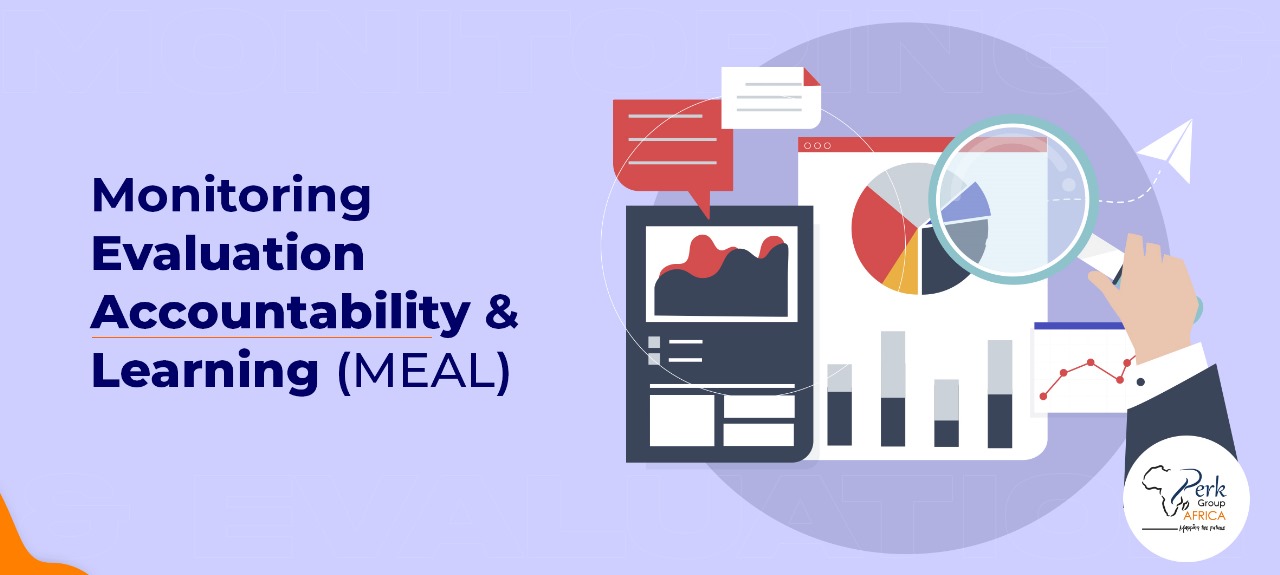
Training Course on Monitoring Evaluation Accountability and Learning
MEAL (Monitoring, Evaluation, Accountability, and Learning) is an essential component of project management and development initiatives, helping organizations understand the effectiveness of their interventions and make informed decisions. This course introduces participants to the essential principles and practices necessary for effective monitoring, evaluation, and learning in development projects. Through practical examples and interactive exercises, participants will learn how to design and implement robust monitoring and evaluation frameworks, collect and analyze data, and utilize findings for informed decision-making and continuous improvement. They will also gain insights into the importance of learning and knowledge management in driving project success and impact.
Course Duration
10 Days
Course Objectives
At the end of this training the participants will:
- Learn the fundamental concepts of Monitoring, Evaluation, Accountability, and Learning.
- Gain skills to design and implement effective MEAL strategies for better program outcomes.
- Integrate MEAL tools seamlessly into program development stages.
- Contribute to creating key MEAL components for thorough program assessment and improvement.
- Master the use of major MEAL tools for practical application in different program contexts.
- Develop problem-solving approaches for challenges encountered in the MEAL process.
- Learn systematic data collection, quality management, and data analysis for informed decision-making.
- Understand how to report project outcomes transparently and accountably using MEAL methodologies.
- Build skills for engaging with diverse stakeholders and being responsive to beneficiaries and partners.
- Foster a mindset of continuous learning and improvement based on feedback and changing contexts
Organisational Impact
Organizations whose staff attend this course will benefit from:
- Stronger accountability and transparency mechanisms
- Improved program performance and evidence-based decision-making
- Enhanced data quality and reporting credibility
- Increased donor compliance and stakeholder trust
- Stronger learning systems for adaptive management
- Improved sustainability and impact of development interventions
Personal Impact
Participants will gain:
- Practical, job-relevant MEAL skills
- Hands-on experience with MEAL frameworks, tools, and systems
- Improved data collection, analysis, and reporting competencies
- Enhanced confidence in accountability and learning practices
- Exposure to mobile-based and software-supported data systems
- A Certificate of Participation upon successful completion
Course Outline
Module 1: Introduction to Monitoring, Evaluation, Accountability, and Learning
- Introduction to M&E and the project/program cycle
- Definition of MEAL and its components
- Purposes and uses of M&E
- MEAL approach
- Challenges to MEAL
Module 2: Frameworks and MEAL Cycle
- Frameworks and approaches informing MEAL
- The language used in MEAL
- The MEAL cycle
- Exploring key elements of a MEAL plan
- Defining indicators
- Designing, implementation, and management of a MEAL framework
Module 3: MEAL Planning and Budgeting
- Identifying project/program goals.
- Identifying project/program indicators and targets.
- Selecting data collection methods and data sources for prioritized indicators in your MEAL plan
- Decide upon your data analysis, quality assurance/validation, and management strategy.
- Identify your strategy for reporting and disseminating data.
- Activities-based MEAL budgeting
- Components of the Budget
Module 4: Accountability and Learning
- Introduction to accountability
- Aspects of accountability.
- Importance of Accountability
- Information sharing
- Participation
- Handling Complaints
- Learning and its role
Module 5: Baseline and Evaluations Design and Management
- The purpose and use of baselines and evaluations
- Purpose and use of needs assessments, situation analysis,
- Baselines, evaluations and real-time reviews
- Importance of baseline for monitoring and evaluation
- Steps in planning and undertaking baselines and evaluations
Module 6: Survey Planning and Implementation Types of surveys
- The survey design and process
- Methods of survey sampling and determining the Sample size
- Data collection techniques and tools
- Designing survey questionnaires
- Pretesting research tools for Validity and Reliability
- Conducting the survey
- After the survey
Module 7: MEAL Data Collection: Mobile Based Data Collection (ODK)
- Introduction to mobile phone data collection
- Advantages and challenges of Mobile Applications
- Components of Open Data Kit (ODK)
- Install ODK Collect into mobile devices
- Designing and creating Forms
- ODK Aggregate Server
Module 8: Data Quality Management, Tabulation and graphical presentation of data (SPSS/Stata/R)
- Types of variables (Numerical, discrete variables, dummy variables,
- Entering categorical and continuous data
- Defining and labeling variables
- Validation and Sorting variables
- Transforming, recording and computing variable
- Descriptive Statistics
- Frequency Tables
- Tables for categorical data
- Graphs and charts
Module 9: Data analysis and interpretation and use (SPSS/Stata/R)
- Hypothesis testing
- Comparing Means.
- Regression and Correlation analysis
- Interpreting the data
- Introduction to analyzing qualitative data and qualitative data analysis software
Module 10: Project reporting through MEAL
- Use of MEAL data in Reporting
- Communication activities to partners and stakeholders
- Lessons learned
- Decisions making
Note: The specific content, activities, and duration of each session may be adjusted based on the target audience, learning objectives, and available time.
Course Language
English
Training Methodology
The MEAL course will use a practical, participatory, and learner-centered approach to ensure participants gain both conceptual understanding and applied skills in monitoring, evaluation, accountability, and learning. The methodology emphasizes hands-on learning, real-world application, and interactive engagement.
The training methodology includes:
- Interactive Lectures and Conceptual Discussions: Introducing MEAL principles, frameworks, and processes with opportunities for participant questions and reflections.
- Practical Demonstrations: Live demonstrations of mobile data collection tools (ODK) and data analysis software (SPSS, Stata, R).
- Hands-On Exercises: Guided practice in survey design, data collection, data cleaning, tabulation, visualization, and analysis.
- Case Studies and Real-World Scenarios: Application of MEAL principles to actual development and humanitarian project examples.
- Group Work and Peer Learning: Collaborative exercises, role-playing, and discussions to simulate stakeholder engagement, accountability, and participatory learning processes.
- Participatory Problem-Solving: Exercises addressing challenges in MEAL planning, implementation, and reporting.
- Step-by-Step Guidance: Participants will design MEAL frameworks, develop indicators, plan surveys, and implement data collection and analysis under trainer supervision.
- Data Interpretation and Reporting Practice: Applying analytical results to generate meaningful insights, lessons learned, and recommendations.
- Continuous Feedback and Coaching: Trainers provide feedback throughout activities, ensuring knowledge transfer and practical skill development.
- Reflective and Experiential Learning: Encouraging participants to reflect on lessons learned and plan for MEAL application in their organizational context.
Certification
Upon completion of training, the participant will be issued with a certificate of Completion.
Frequently Asked Questions
Common questions about the Training Course on Monitoring Evaluation Accountability and Learning course.
MEAL extends traditional M&E to include two additional functions: Accountability — to affected populations, donors and the public — and Learning — turning evaluation findings and monitoring data into adaptive programme decisions. The MEAL framing emerged from humanitarian practice (the Core Humanitarian Standard, IASC AAP commitments) and is now standard across development NGOs. A strong MEAL system combines feedback mechanisms, complaint response, regular learning events, and adaptive management cycles — not just data collection and reports. Donors increasingly require MEAL plans (not just M&E plans) at proposal stage.
A complete MEAL system has eight core components: (1) Theory of Change linking activities to outcomes, (2) Results Framework with SMART indicators and targets, (3) Data Collection Plan defining tools, frequency, responsibilities, (4) Data Management infrastructure (databases, data quality assurance), (5) Reporting cadence to internal and external audiences, (6) Evaluation calendar (baseline, midterm, endline, special studies), (7) Accountability mechanisms (feedback channels, complaint response, beneficiary participation), and (8) Learning processes (after-action reviews, learning events, adaptive management cycles).
Traditional M&E focuses on monitoring activities and outputs and evaluating impact — primarily for upward accountability to donors. MEAL adds two dimensions: (1) Accountability emphasises downward accountability to affected populations through feedback mechanisms, complaint response, and beneficiary participation in programme design and review; and (2) Learning treats data as fuel for adaptive management — using monitoring data and evaluation findings to revise theory of change, adjust activities, and improve practice in real time, rather than only reporting outcomes after the fact. MEAL is M&E reframed for accountability-driven, adaptive programming.
MEAL managers and officers, programme staff and field coordinators, technical advisors and senior management setting up or strengthening MEAL systems in INGOs, national NGOs, UN agencies and donor-funded consortia.
Accountability systems (feedback and complaint-response mechanisms, CHS commitments, IASC guidance), adaptive management and real-time learning, learning products (after-action reviews, pause-and-reflect sessions), MEAL plans, and embedding MEAL into programme cycle management.
Some exposure to programming or M&E work is expected. Programme staff without formal M&E training often attend to build a common language with their M&E colleagues and lead adaptive management on their own projects.
Online and in-person at our training venues across Nairobi, Kigali, Mombasa, Lagos, Cape Town, Addis Ababa, Juba, Cairo and Dubai. Both formats issue the Perk Group Africa certificate of completion with a verification code.
Related Courses
Explore more courses in Monitoring & Evaluation