
Agriculture & Climate Change
About our Agriculture & Climate Change training
Perk Group Africa delivers training on climate change, agriculture and food security for professionals working on natural-resource-sensitive programmes across Africa. Courses cover Climate Change Adaptation and Resilience (policy, programme design, community adaptation), Agricultural Value Chains (farm-to-market, cooperatives, agribusiness), and Food Security & Agriculture Programming (assessment, IPC-aligned response, nutrition-sensitive design). Participants are agricultural extension officers, food security analysts, climate focal points, cooperatives staff, natural resource managers, community development officers, and governance teams in NGOs, government and donor agencies. Training is hands-on and case-based, delivered online (live-instructor-led over Zoom) and in-person across Nairobi, Kigali, Mombasa, Lagos, Cape Town, Addis Ababa, Juba, Cairo and Dubai — each cohort awards the Perk Group Africa certificate of completion.
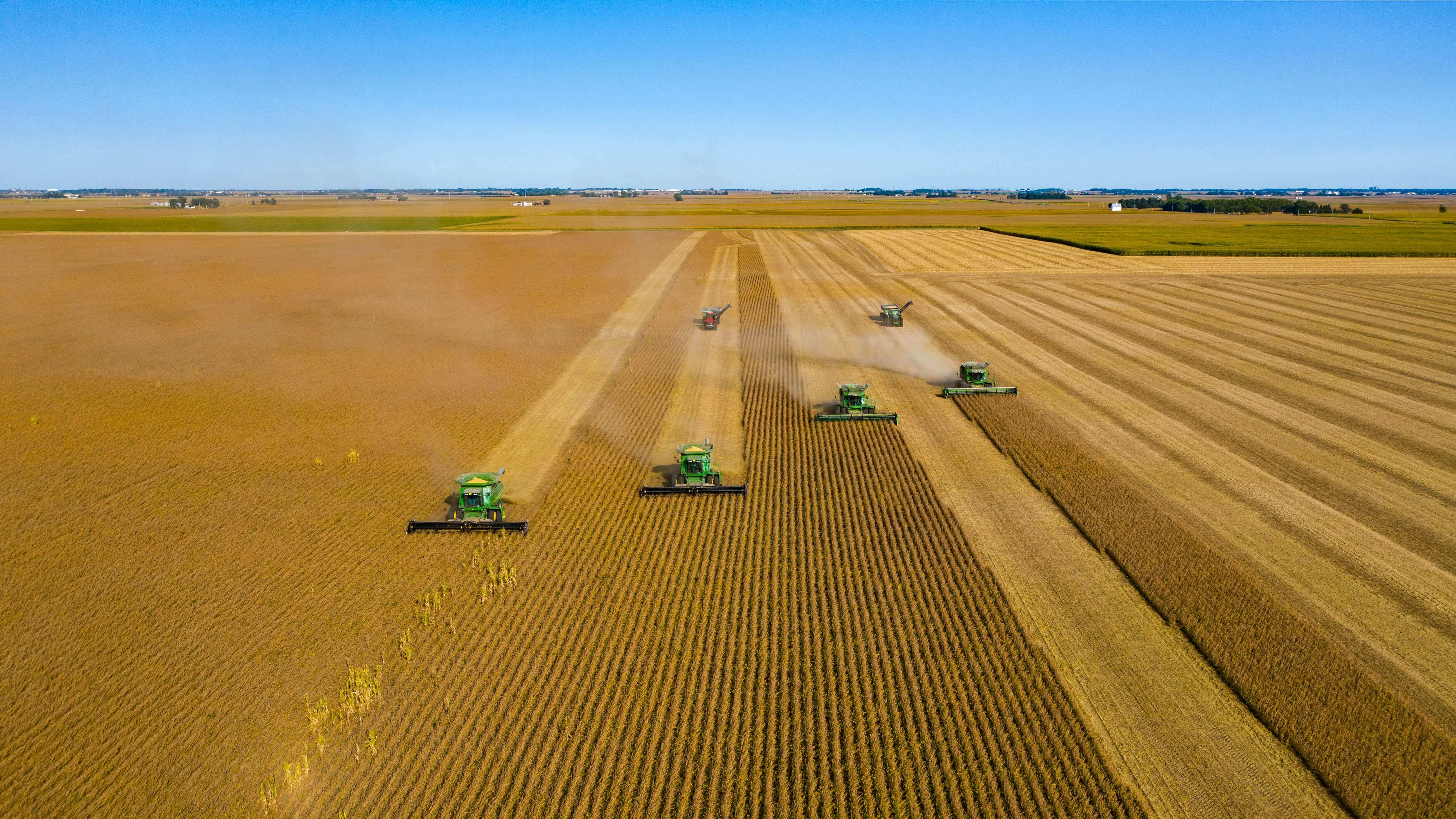
Training Course on Agricultural Value Chain Management and Market Linkages
This training program provides a practical and in-depth understanding of agricultural value chains and market linkages. Participants will explore the full process of taking a product from concept to m...
REGISTER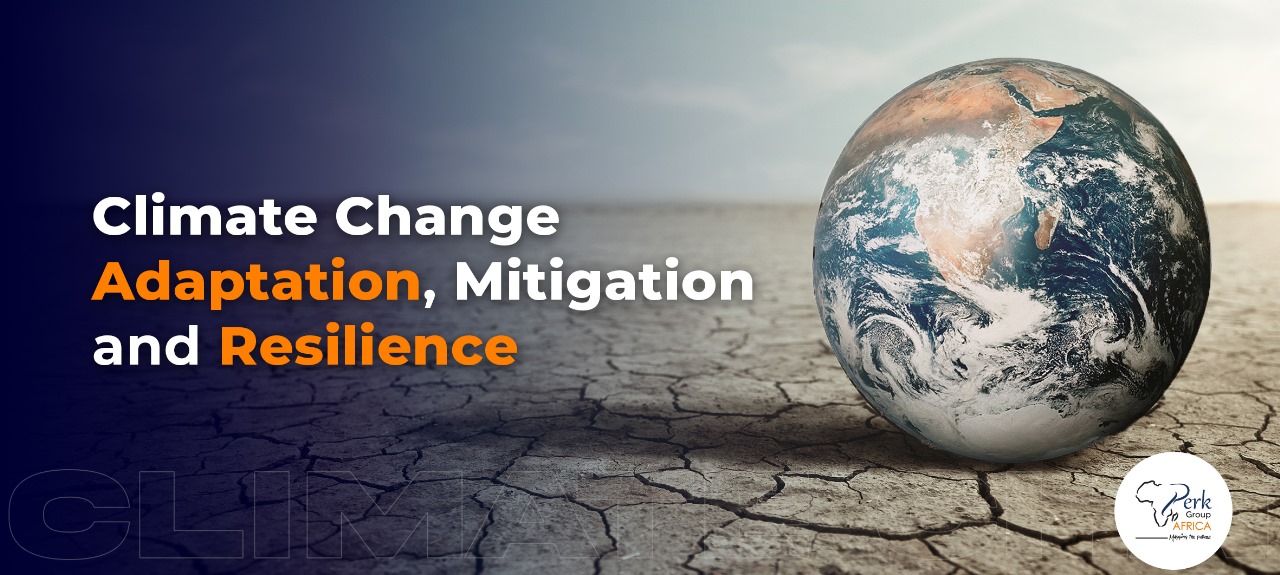
Training Course on Climate Change Adaptation Mitigation and Resilience
Our climate is changing rapidly and communities all over the world are feeling the impact. Climate change impacts affect social and ecological systems in complex and broad-ranging across regions...
REGISTER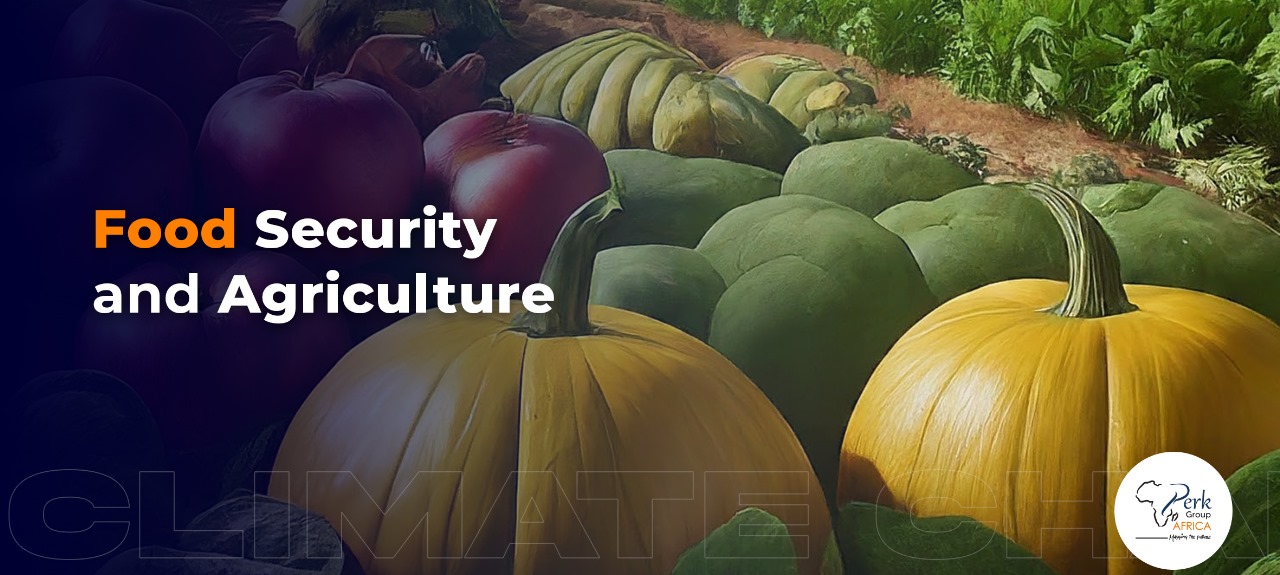
Training Course on Food Security and Agriculture
The Global Food Security Strategy calls for expanding work in improving nutrition and resilience. This course underscores Perk Group’s focus on food security development and incorporates the par...
REGISTERAgriculture & Climate Change — Key Concepts Explained
The definitions and frameworks our agriculture & climate change training is built on.
Climate change adaptation is the process of adjusting to actual or expected climate impacts — droughts, floods, sea-level rise, heat stress, shifting growing seasons — to reduce harm and exploit opportunities. Mitigation is the parallel effort to reduce greenhouse gas emissions and slow further climate change. Adaptation is increasingly the priority for African contexts where emissions are low but climate vulnerability is high. Strong adaptation programming combines vulnerability assessment, climate-resilient livelihoods, ecosystem-based adaptation, climate-smart agriculture, and integration of indigenous knowledge with downscaled climate projections.
Climate resilience is the capacity of communities, ecosystems and economies to anticipate, absorb, accommodate and recover from climate-related shocks and stresses while maintaining function and adapting to long-term change. The IPCC and Sendai Framework both treat resilience as the central frame for development in a changing climate. Resilience-building combines hard infrastructure (drought-resistant water systems, climate-resilient roads), soft systems (early warning, social protection), and natural capital (watershed restoration, agroforestry). Donors increasingly fund "climate resilience" as a cross-cutting outcome rather than a vertical programme.
Food security exists when all people, at all times, have physical, social and economic access to sufficient, safe and nutritious food that meets their dietary needs and food preferences for an active and healthy life. The four dimensions are: availability (production, imports), access (income, infrastructure), utilisation (nutrition, water, health) and stability (continuity over time). The IPC (Integrated Food Security Phase Classification) is the global standard for measuring acute food insecurity. Strong food security programming addresses all four dimensions simultaneously rather than just food production.
Agricultural value chain analysis is the structured examination of how an agricultural product moves from input supplier through producer, processor, trader, retailer to consumer — and the value added at each stage. The approach identifies bottlenecks, inefficiencies, exclusion of women and smallholders, and opportunities for upgrading. Value chain interventions range from input subsidies, farmer cooperative strengthening, post-harvest loss reduction, market linkage facilitation, to financial product design. Donors like SIDA, USAID Feed the Future, and IFAD have made value chain development a flagship approach to inclusive agricultural growth.
Climate-smart agriculture (CSA) is an integrated approach that aims to simultaneously increase agricultural productivity and incomes (sustainable intensification), build adaptive capacity to climate change (resilience), and reduce or remove greenhouse gases where possible (mitigation co-benefits). FAO is the leading standard-setter for CSA. Practical interventions include drought-tolerant varieties, conservation agriculture, agroforestry, water-efficient irrigation, livestock-fodder integration, and digital advisory services for smallholders. Most major donor agriculture portfolios in Africa now apply a CSA lens, especially under the Africa Adaptation Acceleration Program.
Climate change threatens African food security through multiple pathways: shorter and more erratic rainy seasons reduce crop yields; higher temperatures stress livestock and accelerate pest outbreaks; extreme events (droughts, floods, locust swarms) destroy production; ocean warming disrupts fisheries; and price volatility hits net food importers hardest. The IPCC AR6 projects significant declines in African crop yields without adaptation. Effective programming pairs climate adaptation (drought-resistant varieties, water harvesting, diversification) with food security interventions (early warning, social safety nets, market access) — which is why these two domains increasingly converge in donor portfolios.