
Monitoring & Evaluation
About our Monitoring & Evaluation training
Perk Group Africa offers M&E training covering the methods, tools and frameworks evaluators and programme teams use on donor-funded programmes across Africa. Courses include Monitoring, Evaluation, Accountability and Learning (MEAL), Results-Based M&E, the Logical Framework Approach (LFA), Theory of Change, impact evaluation methods (RCTs, DiD, PSM), participatory M&E, and food security & nutrition M&E. Training aligns with OECD DAC evaluation criteria and USAID, EU, FCDO and UN donor requirements. Participants are M&E officers, MEAL teams, evaluators, programme managers and consultants working on humanitarian, development and government-funded interventions. Courses run online and in-person across Nairobi, Kigali, Mombasa, Lagos, Cape Town, Addis Ababa, Juba, Cairo and Dubai with a certified completion award.
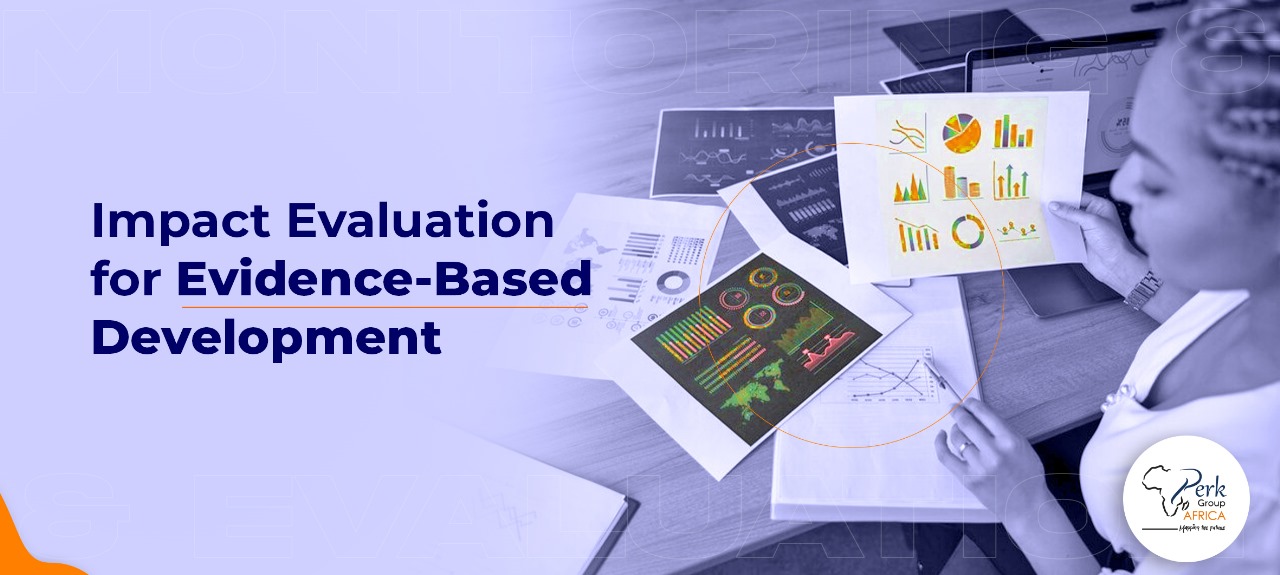
Training Course on Impact Evaluation for Evidence-Based Development
The Impact Evaluation for Evidence-Based Development Training Course aims to equip participants with the knowledge and skills necessary to design, implement, and assess the impact of development...
REGISTER
Training Course on Monitoring and Evaluation in Food Security and Nutrition
This course provides a comprehensive exploration of Monitoring and Evaluation (M&E) principles within the context of food security and nutrition programs. Participants will gain a solid foun...
REGISTER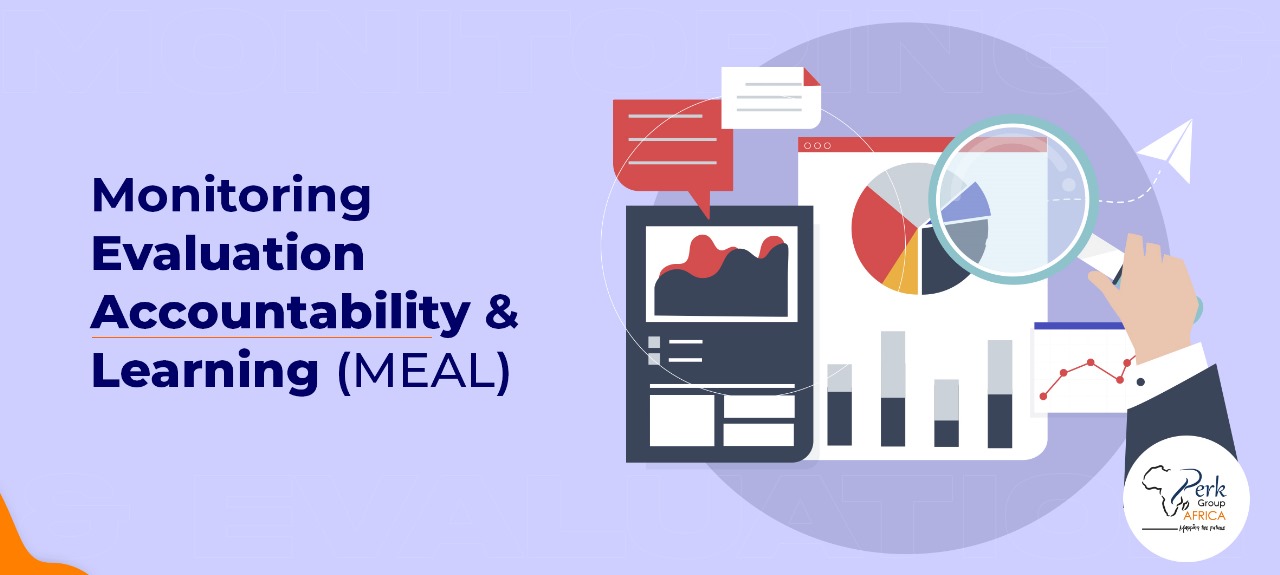
Training Course on Monitoring Evaluation Accountability and Learning
MEAL (Monitoring, Evaluation, Accountability, and Learning) is an essential component of project management and development initiatives, helping organizations understand the effectiveness of the...
REGISTER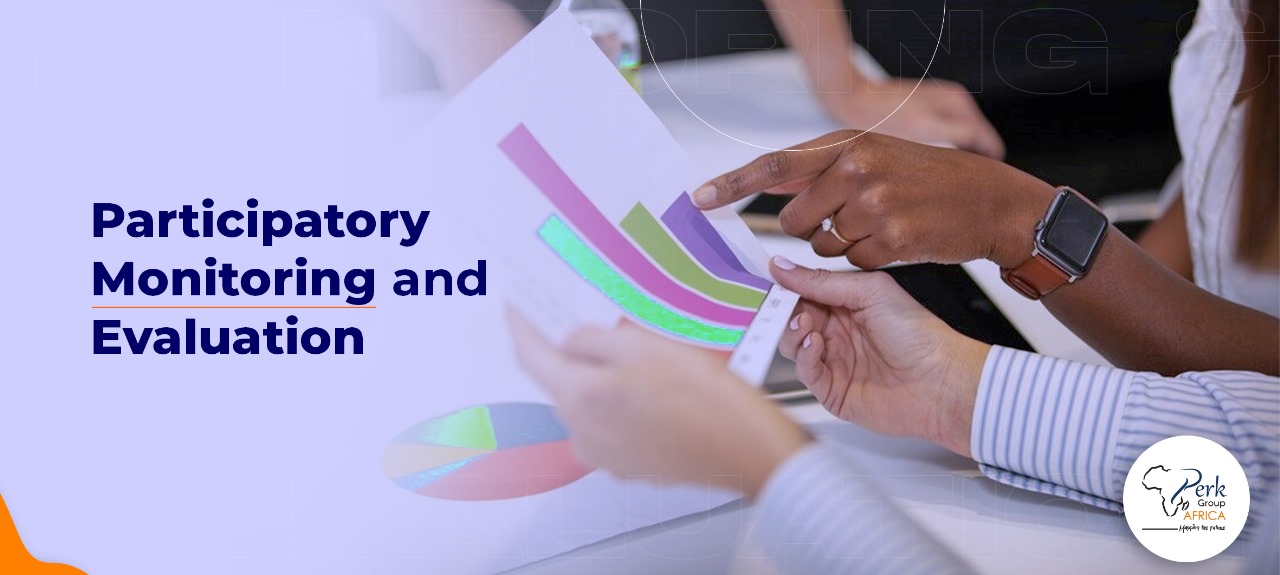
Training Course on Participatory Monitoring and Evaluation
The Participatory Monitoring and Evaluation (PM&E) course offers a concise yet comprehensive exploration of the principles, tools, and practices required to effectively engage stakeholders and pro...
REGISTER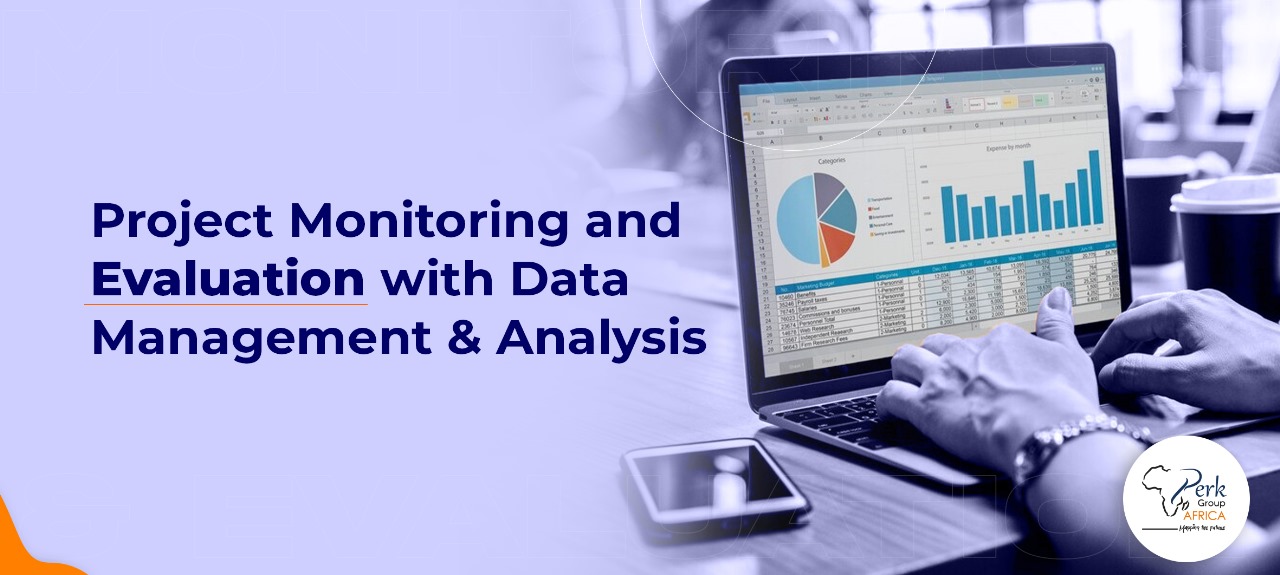
Training Course on Project Monitoring and Evaluation with Data Management and Analysis
This Project Monitoring and Evaluation with Data Management and Analysis course offers an impactful exploration of the principles and practices necessary for effective project monitoring, evaluation,...
REGISTER
Training Course on Project Performance Evaluation
Project performance evaluation is a crucial aspect of project management, as it helps assess how well a project is progressing and whether it is meeting its goals and objectives. This course is...
REGISTER
Training Course on Results-Based Monitoring and Evaluation
The five-day course aims to provide participants with a comprehensive overview of results-based monitoring and evaluation (M&E) methods, equipping them with practical tools and techniques es...
REGISTERMonitoring & Evaluation — Key Concepts Explained
The definitions and frameworks our monitoring & evaluation training is built on.
M&E — Monitoring and Evaluation — is the systematic and ongoing assessment of how programmes are performing (monitoring) and the periodic, in-depth analysis of results, relevance and impact (evaluation). Together they generate the evidence donors, boards and beneficiaries need to know whether programmes are working, where to adjust, and what to invest in next. Strong M&E systems combine clear theory of change, well-defined indicators, reliable data collection, regular reporting and learning loops. Without it, programmes operate on assumption and anecdote — and donors lose confidence quickly.
Monitoring is the continuous, real-time tracking of programme activities, outputs and progress against plan — answering "are we on track?" Evaluation is a periodic, in-depth, often external assessment of programme relevance, effectiveness, efficiency, impact and sustainability — answering "did it work, and why?" Monitoring uses internal data (activity logs, output counts, beneficiary numbers). Evaluation uses richer mixed-methods data and benchmarks against the OECD-DAC criteria. Both are essential — monitoring keeps a programme on course; evaluation tells you whether the course was right.
MEAL extends traditional M&E to include two additional functions: Accountability — to affected populations, donors and the public — and Learning — turning evaluation findings and monitoring data into adaptive programme decisions. The MEAL framing emerged from humanitarian practice (the Core Humanitarian Standard, IASC AAP commitments) and is now standard across development NGOs. A strong MEAL system combines feedback mechanisms, complaint response, regular learning events, and adaptive management cycles — not just data collection and reports.
Impact evaluation is a rigorous form of evaluation that estimates the causal effect of a programme — the difference between what happened with the intervention and what would have happened without it. Methods include randomised controlled trials (RCTs), difference-in-differences, regression discontinuity, propensity score matching and synthetic control. Impact evaluations are resource-intensive but provide the strongest evidence of "what works", which is why donors like USAID, World Bank, FCDO and 3ie commission them for major programmes and policy decisions.
Results-Based M&E organises measurement around defined results — outputs, outcomes and impacts — rather than activities or inputs. It pairs with Results-Based Management (RBM), the operating framework for the UN system, multi-laterals, and most bilateral donors (USAID Performance Plan and Report, FCDO Results Framework, GAC Logic Models). At programme level, tools include results frameworks, performance indicators, baseline-target-actual tracking, and quarterly performance reviews. Strong Results-Based M&E links every activity to a measurable result, making programmes both manageable and reportable.
Participatory M&E (PM&E) is the practice of involving beneficiaries, communities and frontline staff in designing, conducting and using M&E — rather than treating M&E as a top-down extraction of data. Participatory tools include community scorecards, social audits, Most Significant Change technique, outcome harvesting, and participatory rural appraisal (PRA). PM&E builds local ownership, surfaces unintended consequences, generates richer learning, and supports accountability to affected populations. It is increasingly required by humanitarian standards (CHS, Sphere) and by donors emphasising locally-led development.